
The Future of Work Is Hybrid – But Can Companies Get It Right?
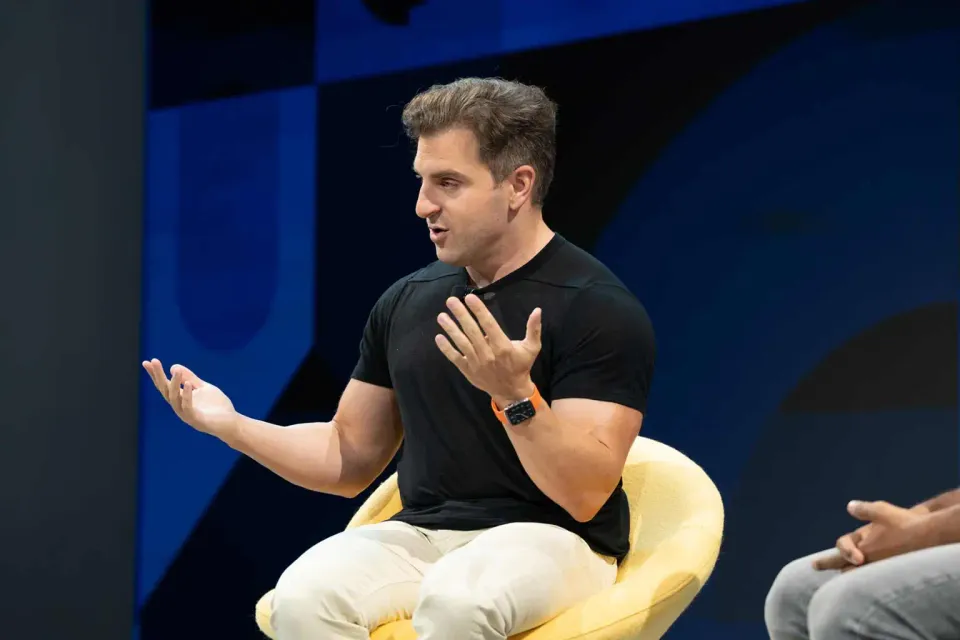
Airbnb’s CEO, Brian Chesky, recently made headlines when he reaffirmed the company’s commitment to flexible work. His approach is that Airbnb employees can work from anywhere, but they must also meet in San Francisco for one week each month. According to Chesky, this arrangement promotes teamwork and prevents the issues of constant office presence, allowing employees to focus on outcomes rather than simple attendance.
In contrast to JPMorgan Chase as well as Gap, which recently mandated full-time office returns, his stance is quite different. Hybrid work is debated in many boardrooms. The customary office is no longer the only option for all workers. Since hybrid work is already the standard, businesses should now focus on successful implementation.
Evidence supports Chesky’s claim that being in the office isn't the same thing as being productive. In a 2022 study, Stanford economist Nicholas Bloom found hybrid work models cut employee attrition by thirty-five percent and maintained productivity. Employees with the option to work remotely part-time reported greater job satisfaction, a better work-life balance and fewer distractions than employees working full-time in an office.
Some executives still don't want hybrid work, even with these findings. A common idea says being close makes people produce more, which is like JPMorgan's recent rule that workers be in the office all the time. Being engaged and producing work really counts more than being there in person. Companies that do not fully understand this risk may alienate employees and lose top talent to more flexible competitors.
Airbnb’s considerately deliberated hybrid policy offers a particularly compelling comprehension: talent simply is not concentrated in only one location. Since launching its ‘Live and Work Anywhere’ policy in 2022, Airbnb has witnessed the relocation of a full 20% of its workforce, with employees moving to new states as well as entirely new countries. This trend isn't just with Airbnb; more and more skilled workers in all fields are picking locations that fit their lives over being tied to an office in a costly city.
Each company now faces an opportunity. Each company also faces a challenge. The opportunity is a bigger, more diverse talent pool. The challenge is guaranteeing that distributed teams stay connected and engaged. Companies must supply a digital setup for effective teamwork. They also need to provide a physical setup to guarantee teamwork across different places.
These coworking spaces, in conjunction with multiple on-demand workspace platforms like GoWorkly, thoroughly address this. Hybrid work disconnecting employees from their teams is a frequent worry. This weakening of collaboration may damage company culture. Businesses still need a method to bring all of their people together. Customary office spaces can seldom function as the only solution.
Businesses, for example, can use GoWorkly to let their employees use good coworking spaces worldwide. Instead of paying for expensive headquarters or permanent satellite offices, companies can allow teams to meet in professional, well-equipped spaces when necessary. Similar to Airbnb’s model, employees can work from any location, but they also have structured times for in-person collaboration.
Hybrid work can save a large amount of money when properly executed. Chesky conceded something himself. Keeping up a large office costs more than flying employees into San Francisco monthly. Many businesses are having the same thought. Keeping big office spaces that aren't being used enough is no longer financially smart.
Instead of investing in long-term leases, companies can use resources for flexible work solutions. Workspace-on-demand platforms let businesses lower costs greatly, making sure employees can still use collaborative and professional spaces when they need them as well.
Sustainability is another basis for defending hybrid work. If a company has fewer employees commuting to work each day, its carbon footprint can be much smaller. Using coworking spaces closer to employees' homes lets businesses cut down on pointless travel while still promoting face-to-face communication.
Hybrid work is not a model that fits every situation. All industries, teams and roles will need multiple levels of in-person collaboration. Because intentionality matters, companies need to define their hybrid policies with clear goals. Mandating a specific number of office days without any clear purpose risks alienating all employees and failing to achieve any intended benefits.
A successful hybrid strategy should address several very important questions.
When and why should workers have in-person meetings?
Besides tools, what technologies will help collaboration run smoothly?
The company's goal is a strong culture. Many people wonder about something. How can this be done without any full-time office?
How might flexible workspaces contribute to the complete workplace strategy?
Companies that take a wholly calculated approach will certainly thrive in the new era of work. Chesky noted that success is not about enforcing any rigid office policies; instead, it is about creating enough conditions for sufficient productivity, engagement and collaboration.
The five-day office week is disappearing. Organisations offering greater flexibility may attract a number of the top employees from businesses that do not change. Airbnb’s approach aptly shows that hybrid work thoroughly involves rethinking work's entire structure and not simply enabling employees to work remotely.
To get the most out of hybrid work, companies can use different coworking spaces and flexible work options and plan ways for people to work together. All businesses that understand work is completely about what you achieve and not at all about where you are, will own the entire future.
For companies targeting this important shift, platforms like GoWorkly offer an important link between remote work in addition to in-person collaboration. All companies that change to the active hybrid work revolution will certainly lead the way into the future.